
Introduction
Overview of AI’s Impact on Industries in 2026
Artificial Intelligence (AI) continues to transform industries worldwide in 2026.
- AI technologies now automate complex tasks, optimize operations, and enhance creativity.
- Businesses leverage AI for decision-making, predictive analytics, and personalized customer experiences.
Importance of Staying Updated with AI Industry Developments
- AI is evolving rapidly; staying informed is crucial for professionals, investors, and students.
- Knowledge of AI trends enables:
- Skill development for emerging job roles
- Informed business decisions and strategy
- Responsible and ethical use of AI technologies
Key Sectors Influenced by AI
1. Healthcare
- Predictive diagnostics, personalized medicine, drug discovery, hospital operations.
2. Robotics & Autonomous Systems
- Self-driving vehicles, drones for logistics, industrial and home automation robots.
3. Enterprise & Business
- AI in marketing, finance, HR, operations, and decision-making analytics.
4. Creative Industries
- Generative AI for text, images, video, music, and design.
What Readers Will Gain from This Guide
By reading this guide, you will:
- Understand how AI is reshaping industries in 2026
- Learn about practical applications and use cases in key sectors
- Discover opportunities to upskill and leverage AI responsibly
- Gain insights to adapt to future trends in AI-driven workplaces
Generative AI and Content Creation
Definition and Explanation of Generative AI
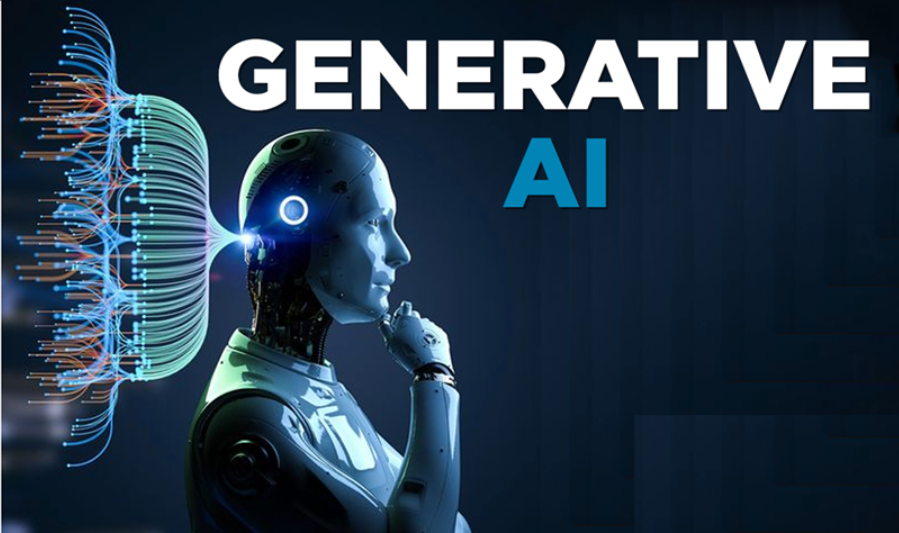
Generative AI refers to artificial intelligence systems that create new content based on patterns learned from existing data.
- Unlike traditional AI, which classifies or predicts, generative AI produces original outputs such as text, images, videos, or code.
- Works by learning patterns from large datasets and generating novel content that mimics human creativity.
Example: An AI model can write an article, generate an illustration, or compose a piece of music from a prompt.
Latest Model Updates and Breakthroughs in 2026
- GPT-5 / GPT-5 Turbo: Advanced language models for high-fidelity text generation and reasoning.
- DALL·E 3 / Stable Diffusion 3: Generate realistic and creative images from textual prompts.
- VideoGen AI: Produces short video clips from scripts or prompts.
- CodeGen AI: Generates programming code or automates software development tasks.
Key Trends:
- Multi-modal generation (text + image + audio/video)
- Improved realism, coherence, and contextual understanding
- Reduced biases and safer outputs via fine-tuning
Applications in Text, Image, Video, and Code Generation
Text
- AI-generated articles, marketing copy, social media posts, or scripts
Image
- Artwork, product designs, concept visuals, ad creatives
Video
- Short videos, animations, deepfake-free avatars, AI-generated ads
Code
- AI-assisted programming, auto-completion, software module generation
Use Cases for Marketing, Entertainment, and Education
- Marketing: Automated copywriting, personalized ad creatives, social media content generation
- Entertainment: Game design assets, movie storyboards, music composition
- Education: AI-generated lesson plans, tutoring content, interactive simulations
Impact: Boosts productivity, fosters creativity, and personalizes experiences.
Ethical Considerations
- Deepfakes: AI-generated realistic images/videos that can be misused
- Misinformation: Fabricated news or misleading content
- Copyright Concerns: Ownership and rights for AI-generated works
- Bias: Generated content may reflect societal or dataset biases
Mitigation Strategies:
- Watermarking AI-generated content
- Fact-checking and verification tools
- Ethical AI guidelines and responsible deployment
AI in Healthcare and Life Sciences
Predictive Diagnostics and Early Disease Detection
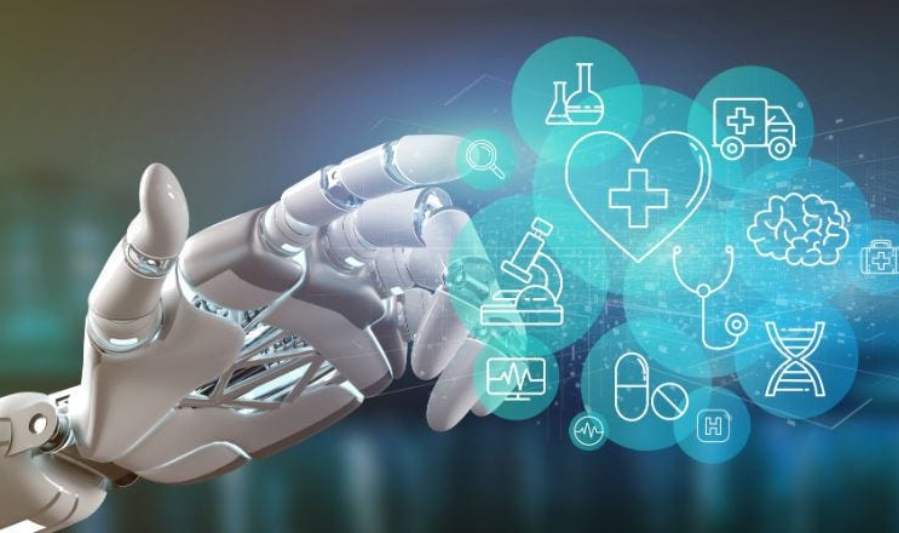
- AI systems analyze medical imaging, lab tests, and patient histories to predict diseases before symptoms appear.
- Applications include:
- Detecting cancers from MRI, CT, and X-ray scans
- Predicting cardiovascular risks
- Early detection of neurological disorders
Impact: Enables earlier intervention, improving survival rates and reducing treatment costs.
Personalized Treatment Plans Using AI Analysis
- AI tailors treatments based on genetics, medical history, and lifestyle.
- Examples:
- Optimized chemotherapy dosing for cancer patients
- Predicting which medications are most effective for a specific patient
- Real-time monitoring via wearables and AI algorithms
Benefit: Improves treatment outcomes and reduces side effects.
AI-Driven Drug Discovery and Research Acceleration
- AI accelerates research by:
- Predicting molecular interactions
- Simulating potential drug effects
- Identifying promising compounds for clinical trials
Result: Reduces drug development timelines from years to months, cutting costs and speeding innovation.
Notable Innovations: AI-generated molecules for rare diseases, protein folding predictions (AlphaFold), vaccine development support.
AI in Hospital Operations and Patient Care Optimization
- AI improves operational efficiency and patient care:
- Optimizing staff scheduling and patient flow
- Predicting ICU or emergency room load
- AI-powered imaging and diagnostics for faster, more accurate decisions
- Virtual assistants and chatbots for patient support
Examples of Adoption:
- Mayo Clinic and Cleveland Clinic using AI for diagnostic imaging
- Hospitals implementing AI to predict patient deterioration or optimize treatment plans
Statistics and Projections for AI Healthcare Investments in 2026
- Global AI healthcare market expected to exceed $50 billion in 2026
- Over 60% of hospitals worldwide using AI for diagnostics, patient monitoring, or operational efficiency
- Early detection and personalized treatment plans powered by AI show 15–30% improvement in patient outcomes in pilot studies
- AI adoption fastest in predictive analytics, imaging, and drug discovery
Enterprise AI Solutions
AI-Powered Analytics, Automation, and Decision-Making Tools
- AI systems help businesses analyze large datasets, identify patterns, and make data-driven decisions.
- Key applications:
- Predictive analytics for sales, revenue, and demand forecasting
- Automating repetitive tasks like invoicing, reporting, or scheduling
- Recommending strategic business decisions based on insights
Impact: Reduces human error, increases efficiency, and improves accuracy in enterprise operations.
Advanced Chatbots and Virtual Assistants for Customer Support
- AI chatbots handle customer queries, troubleshooting, and lead generation.
- Virtual assistants can manage internal tasks such as HR requests, meeting scheduling, and IT support.
Benefits:
- 24/7 support availability
- Reduced response times and operational costs
- Enhanced customer satisfaction and loyalty
Example Tools: ChatGPT Enterprise, IBM Watson Assistant, Microsoft Copilot
AI in Supply Chain Management, Logistics, and Marketing
- Supply Chain & Logistics:
- Predicting demand and inventory needs
- Optimizing routes for delivery and transportation
- Reducing operational costs and delays
- Marketing:
- Personalizing campaigns for targeted audiences
- Predicting customer behavior and churn
- Automating content generation for marketing campaigns
Impact: Enterprises can streamline operations, reduce waste, and improve ROI.
Case Studies of Businesses Successfully Implementing Enterprise AI
- Amazon: AI-driven warehouse automation and recommendation engines
- UPS: Route optimization and predictive maintenance for delivery vehicles
- Salesforce: AI-powered analytics and CRM tools for improved customer engagement
- Siemens: AI in manufacturing for predictive maintenance and quality control
Lesson: Focus on AI solutions that scale and show measurable performance improvements.
Focus on Scalable AI Solutions with Measurable ROI
- Enterprises should prioritize AI projects that:
- Solve real business problems
- Can scale across departments or operations
- Deliver quantifiable benefits like cost savings, revenue growth, or efficiency gains
Tips for Beginners:
- Start with pilot projects before full-scale deployment
- Measure outcomes using KPIs and analytics
- Combine automation with human oversight for optimal results
Robotics and Autonomous Systems
Self-Driving Vehicles in Commercial and Public Sectors
- AI-powered vehicles are now operating in ride-hailing, logistics, and public transportation.
- Applications include:
- Autonomous taxis and shuttles
- Freight and delivery trucks
- Smart public transport fleets
Impact:
- Reduces accidents caused by human error
- Optimizes route planning and fuel consumption
- Lowers transportation costs and increases efficiency
Example Companies: Waymo, Cruise, Tesla, Aurora
AI-Powered Drones and Robots in Warehousing, Agriculture, and Industry
- Warehousing: Automated picking, packing, and inventory management
- Agriculture: Crop monitoring, precision spraying, yield prediction
- Industry & Manufacturing: Robotic assembly, quality inspection, material handling
Impact:
- Increases productivity and accuracy
- Reduces labor costs
- Enhances workplace safety
Example Companies: Boston Dynamics, DJI, FANUC, Amazon Robotics
Human-AI Collaboration and Workforce Augmentation
- Cobots (Collaborative Robots): Work alongside humans in factories, hospitals, and offices
- AI-assisted tasks: Surgery, maintenance, logistics planning, and inspection
- Benefit: Combines human judgment and AI efficiency for better results
Trend: AI is augmenting human skills, not just replacing jobs, promoting safer and more productive workplaces.
Real-World Examples of Companies Adopting AI Robotics
| Sector | Company Examples | Application |
|---|---|---|
| Autonomous Vehicles | Waymo, Cruise, Tesla, Aurora | Self-driving taxis, freight, shuttles |
| Drones & Agriculture | DJI, Zipline | Crop monitoring, medical supply delivery |
| Manufacturing & Warehousing | Boston Dynamics, FANUC, Amazon Robotics | Assembly, logistics, inspection |
| Human-AI Collaboration | OpenAI, Siemens, NVIDIA | AI copilots, cobots, industrial assistance |
Emerging Trends and Future Possibilities
- Multi-modal robots: Machines capable of sensing, moving, and reasoning across multiple environments
- AI-driven autonomy at scale: Entire factories, farms, and cities increasingly managed by AI systems
- Integration with IoT & 5G: Real-time coordination between autonomous systems
- Ethical and regulatory focus: Ensuring safety, fairness, and accountability in AI-driven robotics
Future Vision: Robotics and autonomous systems will blend into daily life, industry, and transport, creating a highly automated, intelligent environment.
AI Ethics, Regulation, and Governance
Ethical Frameworks for AI Deployment in 2026
- Organizations are adopting ethical guidelines to ensure AI is trustworthy, fair, and safe.
- Key principles include:
- Fairness: Avoiding bias in decisions and outputs
- Transparency: Explaining AI decision-making in understandable terms
- Safety: Preventing unintended harm from AI systems
- Privacy: Protecting sensitive personal data
Examples:
- OECD AI Principles
- IEEE Global AI Ethics Standards
- Corporate AI ethics boards
Government Regulations and Compliance Requirements
- Governments worldwide are introducing rules and compliance frameworks for AI:
- EU AI Act: Regulates high-risk AI applications
- US AI Bill of Rights: Provides guidelines for responsible AI use in public services
- ISO/IEC AI Standards: Global standards for AI safety, quality, and reliability
Goal: Ensure AI innovation aligns with societal values and legal requirements.
AI Audits for Bias Detection and Safety Monitoring
- AI audits review systems for fairness, safety, and performance compliance.
- Bias detection tools identify discrimination in AI outputs, especially in:
- Hiring and HR processes
- Loan and insurance approvals
- Healthcare diagnostics
Benefit: Builds trust with users and regulators while reducing legal and reputational risks.
Importance of Transparency and Accountability in AI Systems
- Transparency ensures users understand how AI makes decisions.
- Accountability assigns responsibility to developers and deployers for AI outcomes.
- Together, they help:
- Detect and correct errors
- Maintain ethical standards
- Improve user confidence in AI systems
Example: Explainable AI models in finance or healthcare allow humans to audit and understand AI-driven decisions.
How Ethical AI Is Becoming a Competitive Advantage
- Companies adopting ethical AI frameworks gain:
- Customer trust and loyalty
- Reduced regulatory risk
- Market differentiation through responsible innovation
- Ethical AI is increasingly seen as not just compliance, but a strategic business asset.
You also like to read these posts:
Beginner Workout Plans: A Complete Guide to Start Your Fitness Journey
Breaking Latest Technology News from Around the World
Top Beginner Tech Tutorials for Learning Technology Fast
Complete Step-by-Step Tool Guide for Beginners
Best AI Productivity Tools for Beginners and Professionals
Emerging AI Industry Trends
Multimodal AI: Combining Text, Image, Audio, and Video
- Definition: AI systems that can process and generate multiple types of data simultaneously.
- Applications:
- Generative AI models creating text-to-image/video content
- Interactive virtual assistants capable of reading, speaking, and visually understanding input
- AI-powered design and entertainment tools
Impact: Enhances creativity, communication, and user interaction across industries.
AI-Driven Cybersecurity: Automated Threat Detection and Prevention
- AI is increasingly used to detect and prevent cyber threats in real time.
- Applications include:
- Network intrusion detection
- Malware analysis and removal
- Predictive threat intelligence
Benefit: Reduces response time, prevents large-scale attacks, and strengthens enterprise security.
Example Companies: Darktrace, CrowdStrike, Palo Alto Networks
Green AI: Energy-Efficient Models Reducing Environmental Impact
- Focus on reducing AI’s carbon footprint by optimizing model size and computation.
- Techniques include:
- Model pruning and quantization
- Efficient hardware accelerators
- Training on renewable energy-powered data centers
Impact: Enables sustainable AI development without compromising performance.
AI in Finance: Predictive Analytics and Automated Investment Tools
- AI transforms finance by analyzing market data, predicting trends, and automating trades.
- Applications:
- Fraud detection and risk assessment
- Personalized financial advice
- Algorithmic trading and portfolio optimization
Benefit: Improves decision-making, reduces human error, and increases efficiency.
Example Companies: BlackRock (Aladdin AI), JPMorgan Chase, Upstart
Predictions for 2026–2027 Growth and Adoption Across Sectors
- AI adoption expected to grow 20–30% annually across industries
- High-growth sectors: Healthcare, finance, cybersecurity, creative industries, and autonomous systems
- Trend: Enterprises are moving toward scalable, ethical, and energy-efficient AI solutions
- Generative AI, multimodal AI, and human-AI collaboration will drive mainstream adoption
Takeaway: Businesses and professionals who adopt emerging AI technologies early will gain competitive advantage in innovation, efficiency, and sustainability.
Faqs:
Which AI technologies are trending in 2026?
The top AI trends in 2026 include generative AI, multimodal AI, autonomous robotics, AI-driven healthcare solutions, and AI-powered enterprise automation.
How is AI transforming healthcare and life sciences?
AI is improving predictive diagnostics, personalized treatments, drug discovery, and hospital operations, making healthcare faster, more efficient, and more accurate.
What industries are adopting AI the fastest in 2026?
Healthcare, finance, robotics, creative industries, and enterprise solutions are the fastest adopters, leveraging AI to enhance productivity, decision-making, and customer experience.
Are AI models safe and ethical in 2026?
Yes, many companies are adopting ethical AI frameworks, bias audits, and transparency policies. Governments are also introducing regulations to ensure safe and responsible AI use.
What opportunities does AI present for businesses in 2026?
AI offers businesses opportunities for automation, cost reduction, improved analytics, innovation, and better customer experiences, while also opening doors for new AI-driven products and services.
Conclusion
The AI industry in 2026 is evolving faster than ever, with breakthroughs in generative AI, autonomous robotics, healthcare, and enterprise solutions. These innovations are not only transforming industries but also redefining business strategies, customer experiences, and technological capabilities.
While AI presents immense opportunities for efficiency, innovation, and growth, it also brings challenges such as ethical concerns, bias, and the need for responsible governance. Businesses and professionals who stay informed about the latest AI industry updates, adopt ethical practices, and strategically implement AI technologies will gain a competitive edge in the rapidly changing landscape.